
How to Choose a Virtual Card? The Complete Three-Card Decision Guide
RDVCC Virtual Credit Card offers three card types — Visa / Mastercard / US Virtual Credit Card — sharing one account balance and complementing each other by scenario. This page does not simply showcase three cards; it answers a concrete question: which card you should open, why, and how to combine them.
If you just want a quick decision, go straight to the “5 user profiles” decision table below. If you want to understand the underlying logic (why PayPal favors Mastercard, why a US card is a must for region switching), read on to “the real differences between the three cards”.
The three cards at a glance
Shared account balance · issuance fee from $1 · No monthly fee · Licensed upstream issuers
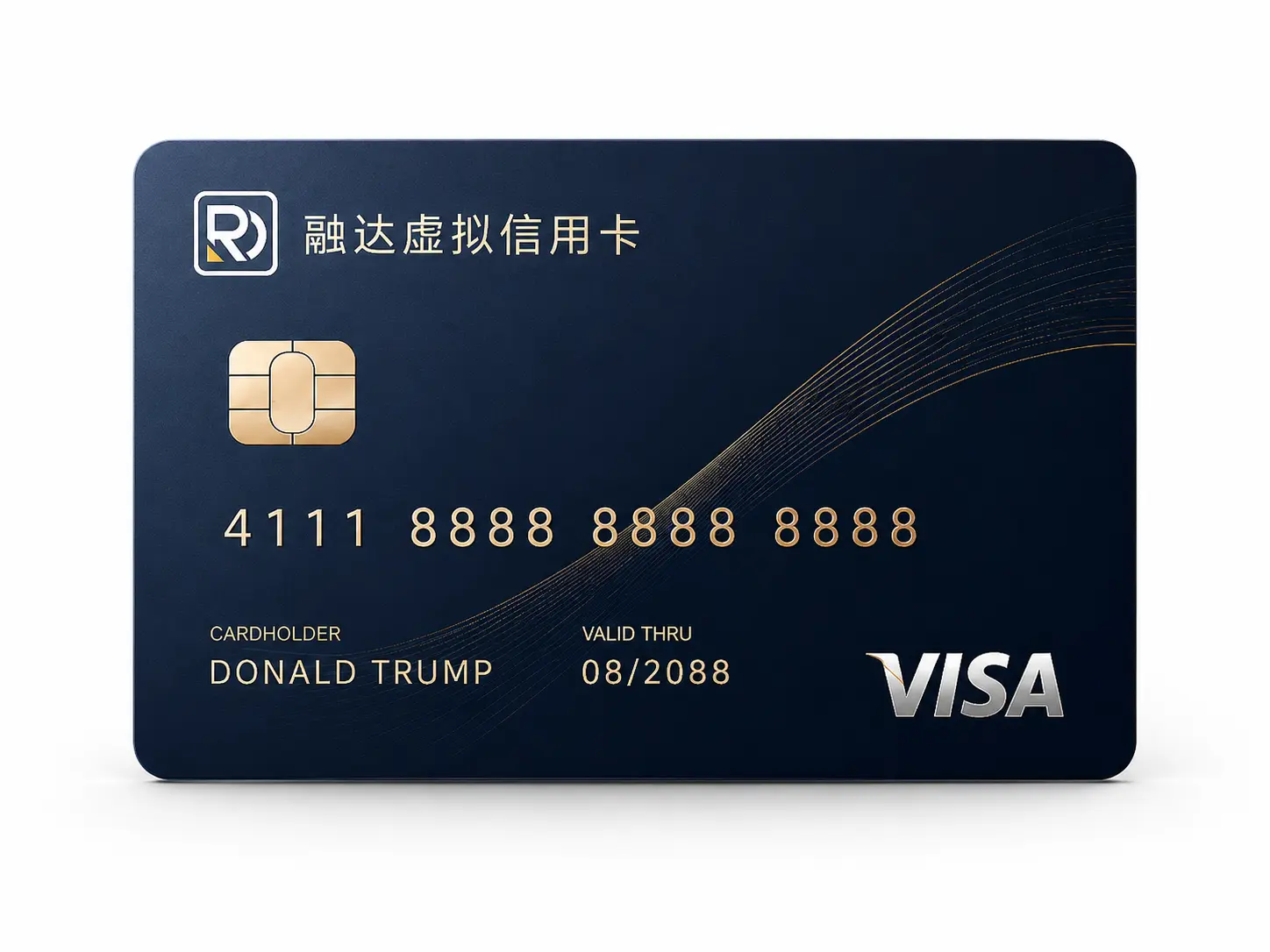
Visa Virtual Card
Mainstream first choice · Widest acceptance
Works on 99% of overseas platforms worldwide that accept Visa. The first-choice card type for AI tool subscriptions and overseas SaaS.
- Widest global acceptance
- First choice for ChatGPT / Claude
- FB / Google ad accounts
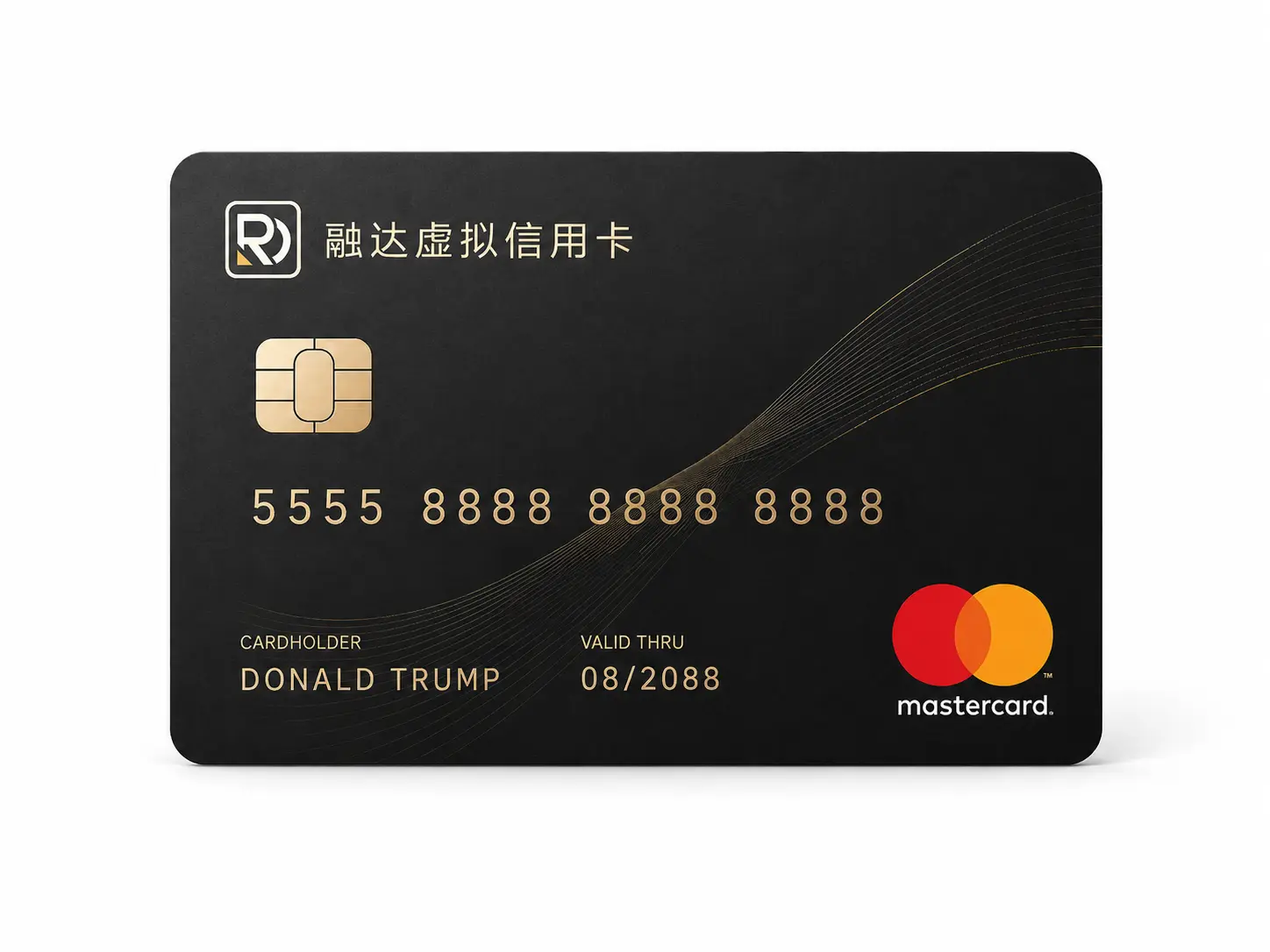
Mastercard Virtual Card
PayPal-friendly · Most reliable for streaming
Mastercard BINs are batch-tested against PayPal verification; Disney+ / Hulu / Apple Music US subscriptions are accepted more often than with Visa.
- More reliable PayPal linking
- First choice for Disney+ / Hulu
- Can be opened alongside Visa
Which card for each of the 5 user profiles — decision table
Find the profile that matches you best and go straight to the recommended setup. The reasoning behind each recommendation is explained below.
| User profile | Typical scenario | Primary card | Backup |
|---|---|---|---|
| Heavy AI tool users | Subscribe to ChatGPT Plus / Claude Pro / Midjourney / Cursor, etc. | US Visa | Visa (backup) |
| Facebook / Google media buyers | Running $200 - $5,000 a day in ad spend, needing multiple cards to spread risk | US card × 2-3 | Card on the other card network (emergency) |
| Cross-border e-commerce sellers | Shopify stores, Amazon seller tools, standalone-site SaaS | Visa | Mastercard (PayPal payments) |
| Overseas shopping / subscription users | Amazon US / streaming subscriptions (Netflix / Disney+ / Apple Music, etc.) | Mastercard | Visa (backup) |
| US Apple users | Switch to a US Apple ID and subscribe to Apple Music / iCloud+ / Apple TV+ US | US Visa | — |
Heavy AI tool users: OpenAI / Anthropic / Stripe run strict risk control; US BINs have a 99%+ acceptance rate. Visa is slightly steadier than Mastercard on AI platforms
Facebook / Google media buyers: BIN ranges recommended from current-month data plus staggered ranges reduce mass risk-control hits; switch to the emergency card if your main card network gets mass-blacklisted
Cross-border e-commerce sellers: Visa covers SaaS monthly fees universally; MC has a higher acceptance rate for PayPal verification
Overseas shopping / subscription users: Disney+ / Hulu / PayPal are steadier on MC; streaming billing runs on tokenized flows where MC compatibility is better
US Apple users: Apple risk control requires the card BIN, billing address and Apple ID region to all align with the US — a US card is a hard requirement
The real differences between the three cards — why they are separate
Many people wonder: if they all work, why split them into three cards? Why not just issue one universal card? The answer lies in the card BIN range.
What is a card BIN?
The BIN (Bank Identification Number) is the first 6-8 digits of a card number, identifying the issuer, the card country and the card type. Payment platforms, merchants and card networks all use the BIN to determine “which country this card is from, who issued it, and what tier it is”. Different payment scenarios prefer different BINs — that is the fundamental reason the three cards are separate.
Visa: universal worldwide, but BIN ranges differ hugely
Visa is the most widely accepted card network — almost every overseas platform takes Visa. Yet for the same Visa card, a US BIN and a Hong Kong / mainland Visa Global BIN differ enormously in acceptance rates:
- ChatGPT Plus: US BIN ~99%, Hong Kong ~50%, mainland Visa Global < 5%
- FB ads: US BINs have the highest acceptance rate; Hong Kong BINs get down-ranked by FB risk control
- Apple US region switch: requires a US BIN + US billing address
So the “US Virtual Card” is, strictly speaking, a special BIN range of the Visa card, built precisely for these scenarios that demand a US BIN.
Mastercard: why PayPal and streaming services prefer it
Mastercard’s global acceptance is slightly below Visa (by 1-2%), but in certain niche scenarios it is actually steadier:
- PayPal verification: PayPal’s risk rules for Visa have historically been stricter (more fraud cases involved Visa cards), while Mastercard enjoys higher tolerance
- Disney+ / Hulu / Apple Music: streaming billing runs on tokenized flows, and Mastercard’s Digital Enablement Service has better compatibility with subscription billing
- European merchants: Mastercard’s acceptance in Europe is better than Visa’s
So Mastercard is not a “spare tire” — it is the best option for specific scenarios. Heavy users need both.
US Virtual Card: not “another product”, but a BIN range
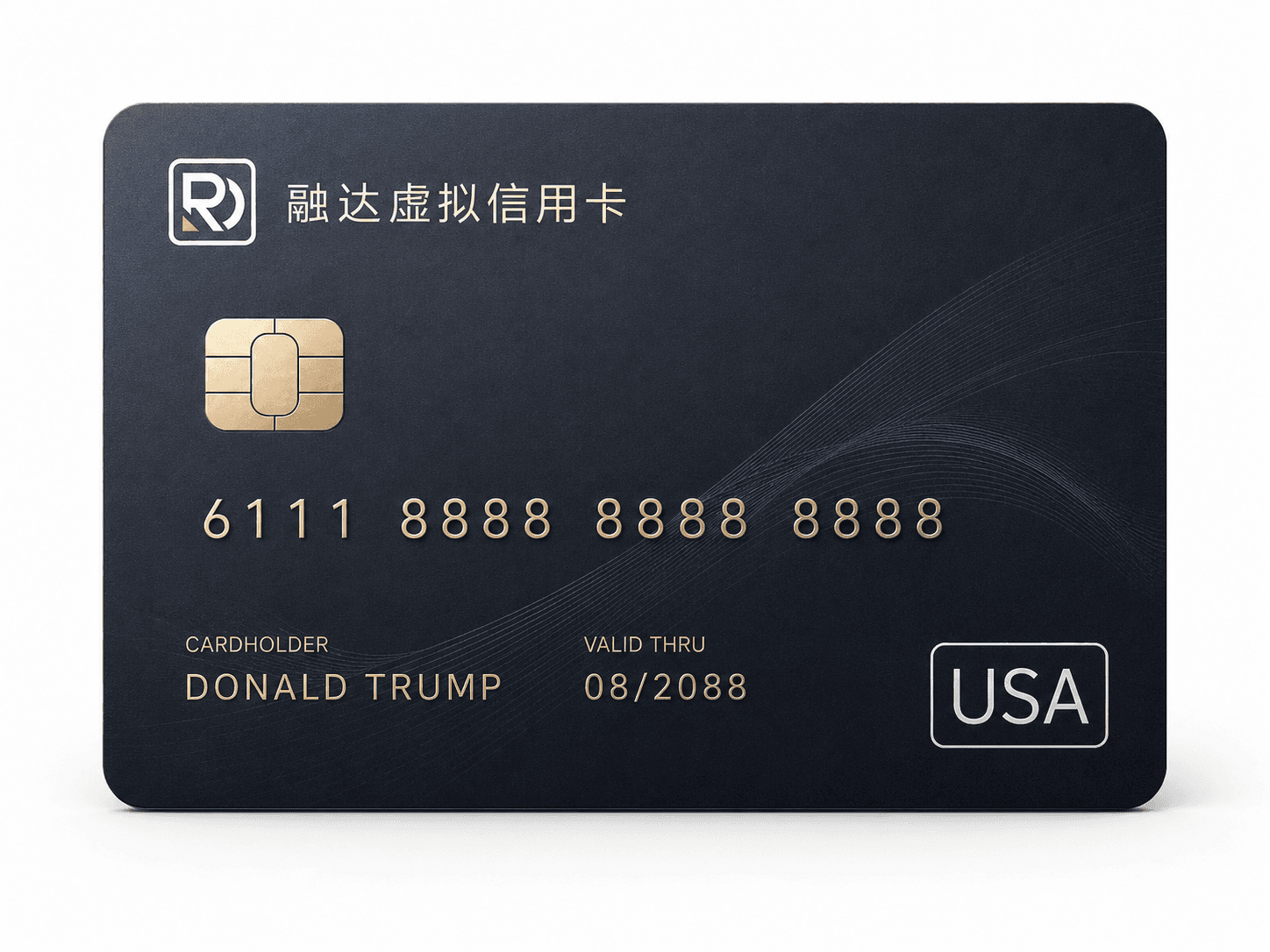
Strictly speaking, the “US Virtual Card” is a Visa virtual card with a US BIN — the card network is Visa, and the issuer is a US-licensed institution. Its relationship to the Visa Virtual Card:
- Visa Virtual Card = any issuing-country BIN (could be Hong Kong, Europe, APAC, etc.)
- US Virtual Card = the “US BIN” subset of the Visa Virtual Card, focused on US-region scenarios
Why make it a separate SKU? Because scenarios like “switching to a US Apple ID / running ChatGPT / running FB ads” treat a US BIN as a hard requirement, and users search for “US virtual card”, not “Visa card with a US BIN”.
Multi-card strategy — required reading for heavy users
If you are a media buyer, a cross-border e-commerce seller, or a heavy AI / streaming user, concentrating everything on one card is asking for trouble. Once that card trips any single risk rule, every service depending on it stops. An account can hold at most 5 active cards at a time (5 in total over its lifetime), so the standard practice is to split two cards by scenario and keep the third as a rotation slot:
| Role | Suggested card type | Purpose |
|---|---|---|
| Primary | US Visa | Day-to-day main workloads (AI subscriptions / ad spend) |
| Second card | Mastercard, or a Visa on a different BIN range | Scenarios where Visa is not the strongest (PayPal, streaming) — and cover if the primary card goes down |
| Rotation slot | Visa or Mastercard, whichever you need at the time | A further card, opened after you close one of the active ones — 5 cards in total is the account cap |
The principle of staggered BIN ranges
Do not put both cards on the same BIN range (for example, two US Visa cards from the same range). Risk control at FB / Google identifies multiple cards on the same BIN range as “same origin” — one hit takes them all down. Take one Visa and one Mastercard, or one US and one Hong Kong BIN, to reduce mass risk-control exposure. An account holds at most 5 active cards at a time and 5 in total (closed cards included); contact support if you need more.
Control each card’s exposure through the balance on it
Per-card daily / monthly limits cannot be set by you — the daily / monthly figures on the card detail page are read-only. What you actually control is the total limit you set when the card is opened and the balance sitting on it: keep only what each card needs (say 1.2× the subscription amount) and top it up from your account balance when required. If the money is not on the card, one oversized charge simply cannot go through, and the account never gets pushed onto a “suspicious transaction” rule.
Scenario × card type — complete reference table
15 concrete use cases, with real-world results for all three cards in each. ✓✓ = most reliable first choice, ✓ = works, ⚠️ = occasional issues, — = not applicable.
| Use case | Visa | Mastercard | US card |
|---|---|---|---|
| ChatGPT Plus / Pro | ✓ First choice | ✓ | ✓✓ Most reliable |
| Claude Pro / Team | ✓ First choice | ✓ | ✓✓ Most reliable |
| Midjourney | ✓ | ✓ | ✓ First choice |
| Apple Music US | ✓ | ✓ Recommended | ✓✓ Most reliable |
| Netflix / Disney+ / Hulu | ✓ | ✓✓ Recommended | ✓ |
| YouTube Premium | ✓ | ✓ | ✓ |
| Facebook Ads | ✓✓ First choice | ✓ Backup | ✓✓ First choice |
| Google Ads | ✓✓ First choice | ✓ | ✓ Recommended |
| TikTok Ads | ✓ Recommended | ✓ | ✓✓ First choice |
| PayPal verification / linking | ⚠️ Occasional declines | ✓✓ Most reliable | ⚠️ |
| Shopify store monthly fee | ✓ Recommended | ✓ | ✓ |
| Cloud services (AWS / Cloudflare, etc.) | ✓ | ✓ | ✓ Recommended |
| Apple ID US region switch | ⚠️ | ⚠️ | ✓✓ Only option |
| Amazon US shopping | ✓ Recommended | ✓ | ✓ Recommended |
| Booking.com / Airbnb | ✓ | ✓ | — |
Source: RDVCC Virtual Credit Card internal samples plus aggregated user feedback. Platform risk rules change dynamically; the data points reflect the majority of cases, not isolated ones.
7 common misconceptions — correct them before choosing
OpenAI risk control actively declines domestic bank BINs (including Visa Global); the measured acceptance rate is < 5%. See the article on ChatGPT Plus payment declines.
FB risk control flags multiple BMs sharing one payment method as a “group operation” — once one BM has an issue, all of them are implicated. Use an independent card per BM.
It depends on the scenario. On AI / ad platforms our measured approval rates for the two are on par, but Mastercard has a higher acceptance rate for PayPal verification and Disney+ / Hulu / Apple Music US. Heavy users need both.
They are fully equivalent in every online payment scenario — the card number / CVV / expiry are real, usable Visa / Mastercard credentials. The only differences: no plastic card, no ATM withdrawals, and no in-person swiping in some scenarios.
A “US virtual card” means the card BIN belongs to a US issuer — it does not mean the cardholder is American. Mainland China users can use it normally with their real name plus a US billing address.
If you run < $200 a day, one primary card is enough. Opening cards blindly raises risk-control exposure (many cards trading frequently under one account), and each card carries its own issuance fee and needs its own top-ups. Configure on demand per the “combo strategy” above.
No. RDVCC Virtual Credit Card serves legitimate consumer-spending scenarios only; cash-out, money laundering and gray-market payments are strictly prohibited, and violating accounts are frozen immediately. See the Terms of Service.
Multiple cards, one account — how to start
Sign up → identity verification → deposit USD (minimum $35) → pick a card type and open it (from $1 / card). The first card is usually ready in seconds (under 1 minute for batches). A second card shares the same account balance — no need to deposit again (up to 5 active cards at a time, 5 in total).
Frequently asked questions
How do I choose a virtual credit card? Visa / Mastercard / US card — how to decide?
Can I open just one card for all platforms?
Do multiple cards share one account balance?
Does opening multiple cards increase my rates?
Why is Mastercard steadier than Visa for linking PayPal?
What is the difference between a US card and a Hong Kong Visa?
How many Facebook ad accounts can one card run?
Can virtual cards be added to Apple Pay for NFC payments?
Do cards expire? What happens then?
Can I close a card?
Card type chosen? Activate now
issuance from $1 · USD deposits · Credited in minutes · Three cards, one account