
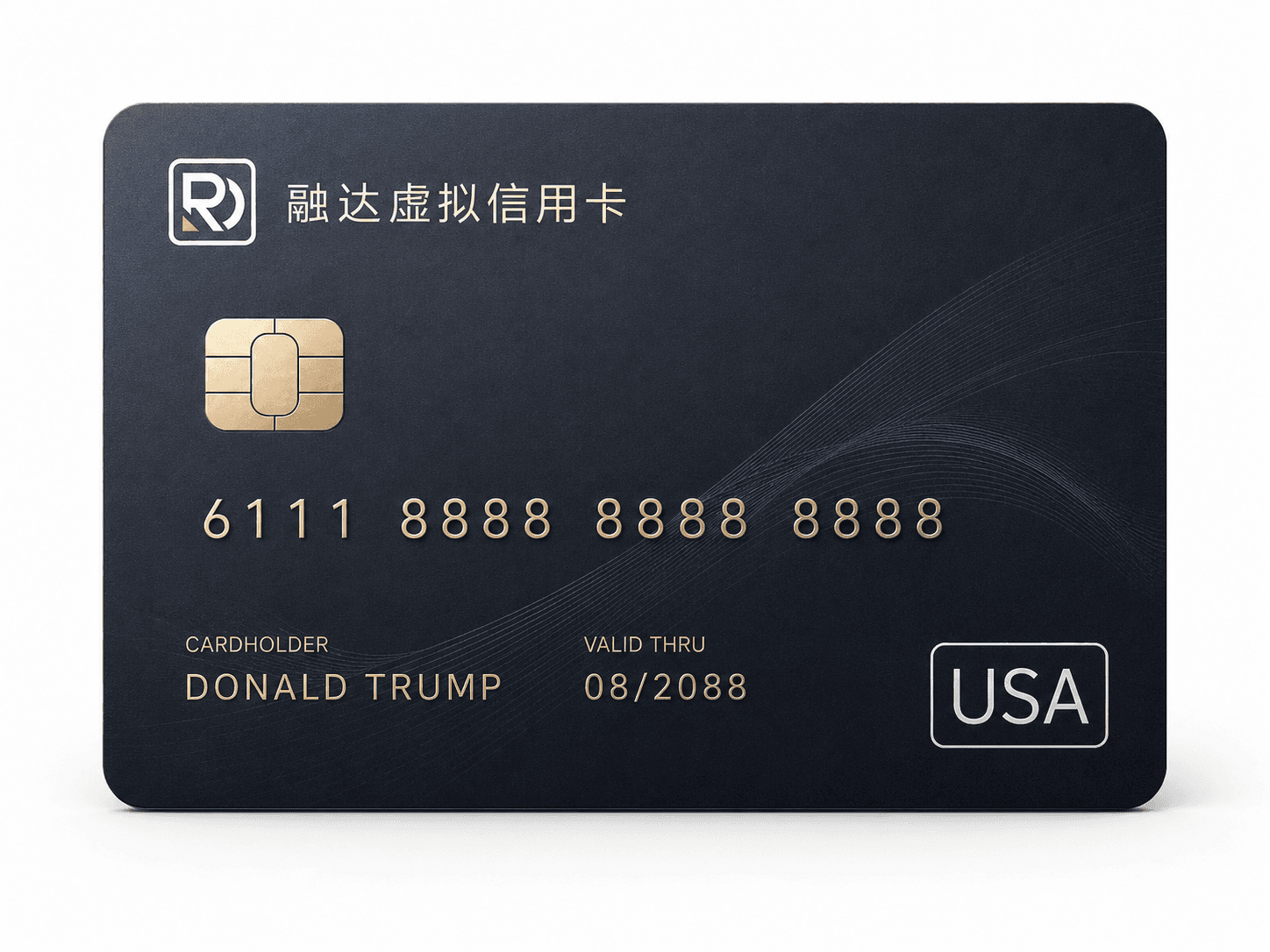
Why a US virtual card?
3 core reasons why “overseas spending = US card”
AI platforms like OpenAI / Anthropic only take US BINs
The payment channels of ChatGPT Plus and Claude Pro explicitly detect the card BIN country; domestic cards are declined outright.
US Apple / US Netflix require a US card
Switching to a US Apple ID or subscribing to Netflix US plans both require the billing address and BIN range to be American.
Facebook / Google ad accounts tolerate US BINs best
In ad scenarios, US BIN ranges have a markedly higher risk-control acceptance rate than ranges from other regions.
US BIN ranges vs other regions (Hong Kong / Europe)
| Scenario | US BIN | Hong Kong | Europe |
|---|---|---|---|
| AI tools (ChatGPT/Claude) | ✓ First choice | ⚠️ Sometimes declined | ⚠️ Sometimes declined |
| US Apple ID | ✓ Required | ✗ Not usable | ✗ Not usable |
| Netflix US | ✓ First choice | ✓ HK plan | ⚠️ |
| Facebook ad accounts | ✓ Highest acceptance rate | ⚠️ | ⚠️ |
| PayPal verification | ✓ | ✓ | ✓ |
| US Apple Music | ✓ | ✗ | ✗ |
Platforms compatible with the RDVCC US card
18 mainstream examples listed; 100+ covered in practice
Open a US virtual card in 4 steps
Create your RDVCC Virtual Credit Card account
Email and password, activated by a verification code sent to your inbox
Complete identity verification
Once before your first card: ID + face, about 3 minutes
Deposit USD
Minimum $35, flat 0.5% deposit fee
Pick a US BIN and open
Visa or Mastercard — both on US BIN ranges
The proper usage boundaries of a US virtual card
RDVCC Virtual Credit Card is a compliant payment tool for overseas spending — not a currency-exchange or cash-out tool. The following scenarios are out of scope:
- ✗Cash-out / withdrawal to bank cards
- ✗Domestic e-commerce payments (use a domestic bank card)
- ✗Alipay / WeChat top-ups (unsupported scenario)
- ✗Prohibited-category payments (gambling / adult content / drugs, etc.)
The “4-way alignment” principle of the US virtual card
The US virtual card achieves the highest acceptance rates on ChatGPT / US Apple / FB ads because of “4-way alignment”:card BIN country + billing address + device IP + account region all aligned to the US — only then can platform risk control confirm you as a “US user”.
① Card BIN (handled by the RDVCC US card)
The first 6 digits of an RDVCC US virtual card identify a US issuer. Enter the first 6-8 digits at bincheck.io and the Issuer Country reads United States. This is the first check platform risk control makes.
② Billing address (you fill it in)
When paying, use the US billing address assigned to this card on its detail page — copy it exactly with the copy buttons and don't substitute another address (including the widely shared Apple headquarters address).
③ Device IP (at payment time)
Use a US-node IP when registering and paying. A stable US-West IP (Los Angeles / Seattle) is typical; avoid commonly abused IP ranges (data-center IPs get blacklisted by risk control easily). Day-to-day use is lenient about IP.
④ Account region (platform account)
Choose United States as the country when registering for ChatGPT / Apple ID / Netflix. This step ties into the card BIN country — Apple risk control compares the account region with the card BIN, and a mismatch means the card is refused.
How acceptance rates decay when the “4 ways” are incomplete
Full 4-way alignment → 99%+ acceptance rate; 1 missing → drops to 70-85%; 2 missing → drops to 30-50%; 3 missing → below 10%. The 4 dimensions look tedious, but they are one-time setup — day-to-day use needs no further attention.
Day-to-day tips for the US card
Once you have your US virtual card, a few day-to-day details keep the acceptance rate consistently high:
- 1. Do not mix country IPs. If the same card sees a US IP today and a China IP tomorrow, platform risk control flags “abnormal account behavior”. Recommended: fix every payment scenario tied to the card on US IPs.
- 2. Keep the billing address consistent. On every platform, enter the billing address from this card's detail page, copied exactly. Differing addresses make risk control question your identity.
- 3. Keep a balance buffer. Hold 1.2-1.5× the subscription amount on the card. For example, with a $20/month ChatGPT plan, keep $25-30 on the card to prevent pre-authorization failures.
- 4. Cards long unused can be closed. If a card has no spending for 30 days, close it or consolidate onto another active card to avoid dead cards piling up on the account.
- 5. Plan the switch yourself before expiry. There is no renewal function and no expiry reminder — note the expiry date printed on the card yourself. Before it expires, open a new card, update the payment method on every subscription platform to the new number, then close the old card so charges never fail.
- 6. Separate cards per scenario. If you both subscribe to AI and run FB ads, open 2 US cards and keep them apart. An ad card tripping risk control then never disturbs your AI subscription charges.
Frequently asked questions
How does a US virtual credit card differ from an ordinary virtual card?
Can the US virtual card be linked to Alipay / Taobao?
How do I apply for a US virtual credit card?
Can overseas credit cards top up Alipay?
Does the US virtual card have a monthly fee?
How many US cards can I open?
US virtual card vs a physical US credit card — what differs?
Can the US virtual card cash out to bank cards?
Open a US virtual card that actually works
from $1 to open; both Visa and Mastercard come on US BINs